Quote
Quote

Sodium hydroxide, also known as caustic soda and, more generically, as lye, is an inorganic compound with the formula NaOH. It is a white solid ionic compound consisting of sodium cations Na+ and hydroxide anions OH−.
Applications
| Chemical Synthesis and Catalyst Regeneration
Utilized as a strong base to adjust pH, neutralize acids, and regenerate ion-exchange resins in chemical production facilities.
|
Pulp and Paper Processing
Applied in the chemical pulping process to dissolve lignin from wood fibers, facilitating high-quality paper manufacturing.
|
| Textile Mercerization and Dyeing
Employed to treat cotton fibers, which increases their tensile strength, luster, and affinity for vat dyes during processing.
|
Biodiesel and Soap Manufacturing |
Storage & Incompatibilities
|
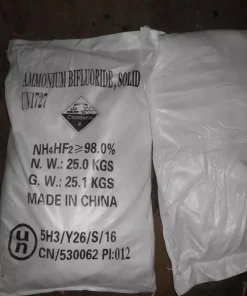
How do you safely store, handle, and dispose of ammonium bifluoride? Ammonium bifluoride is GHS Acute Toxicity Category 2 (oral), Acute Toxicity Category 3 (dermal and inhalation), Skin Corrosion Category 1B, and Eye Damage Category 1. The working solution generates real hydrofluoric acid in dilute form. Casual handling is unsafe; informed handling with the right PPE, the right containers, and on-site calcium gluconate is straightforward and is the same protocol used in every fleet detail shop and anodizing line in the country. . |
Storage & Incompatibilities Store sodium hydroxide flakes in a cool, dry, well-ventilated area away from incompatible materials such as strong acids, organic chemicals, and active metals like aluminum, zinc, and tin, with which it can react to produce flammable hydrogen gas. Keep containers tightly closed, as the flakes are highly hygroscopic and will absorb moisture and carbon dioxide from the air. Ideal storage temperatures should be maintained between 15°C and 30°C. Ensure all storage vessels are constructed of compatible materials such as high-density polyethylene (HDPE) or carbon steel, avoiding copper, brass, and aluminum. |
Required PPE For Handling Solid Flakes
|
|
First Aid For Exposure
Skin exposure. Remove contaminated clothes. Rinse skin with plenty of water or shower for at least 15 minutes. Refer
immediately for medical attention.
Eye exposure. Flush with water at once for at least 15 min.
Inhalation. If a person breathes large amounts of this chemical, move the exposed person to fresh air at once. If breathing has stopped, perform artificial respiration. Keep the affected person warm and at rest. Get medical attention as soon as possible.
Ingestion. Do NOT induce vomiting. If within a few minutes after ingestion, one small glass of water may be given to drink. Refer immediately for medical attention.
| Weight | 25 kg |
|---|
Related products

Bathroom Cleaning

Cleaning Equipment

Chemical
Cleaning Equipment

Automotive

Cleaning Equipment